| Material Type | Abrasion Resistant Steel |
| Composition | Primarily consists of iron, carbon, and alloying elements such as manganese and chromium |
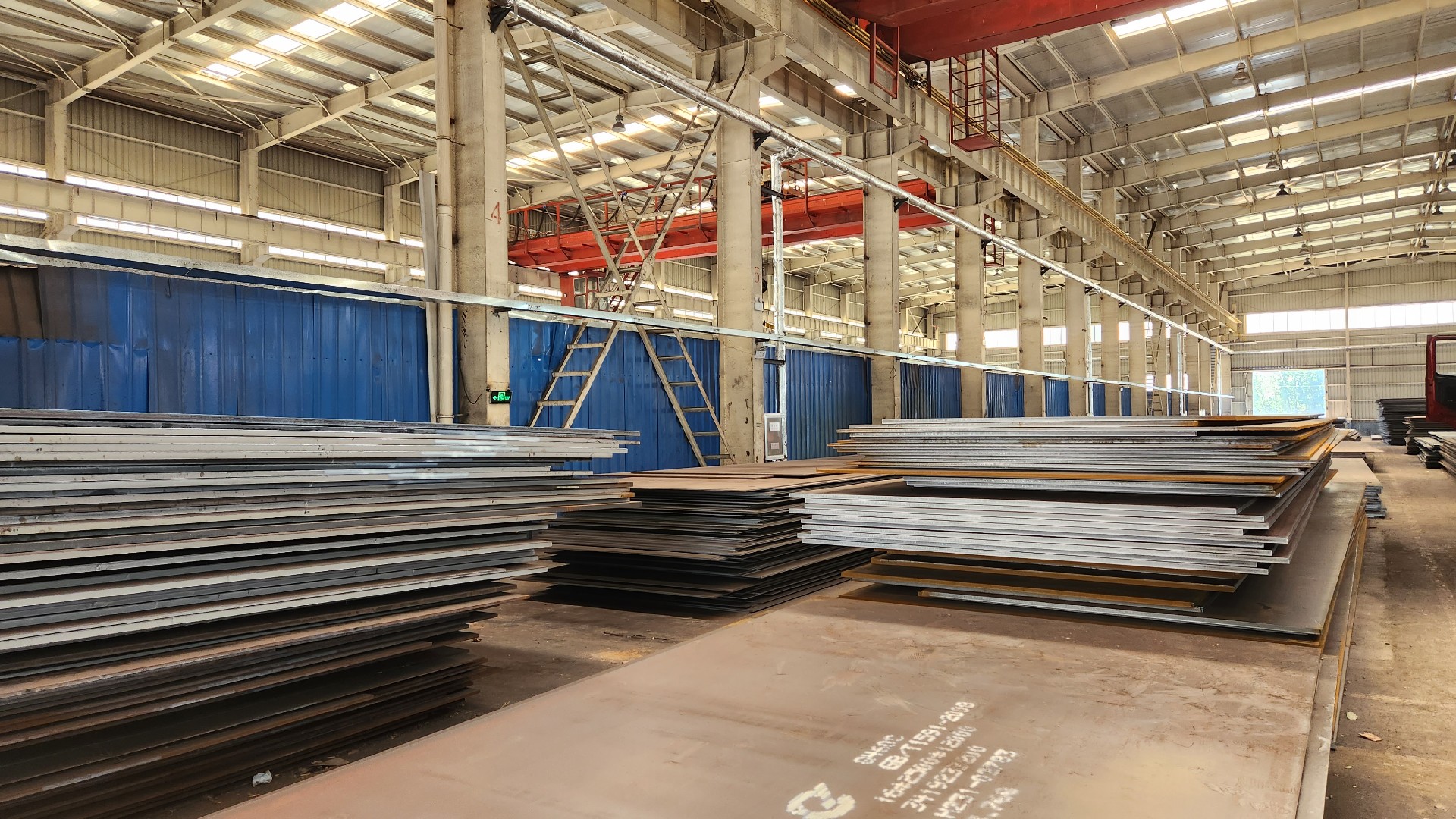
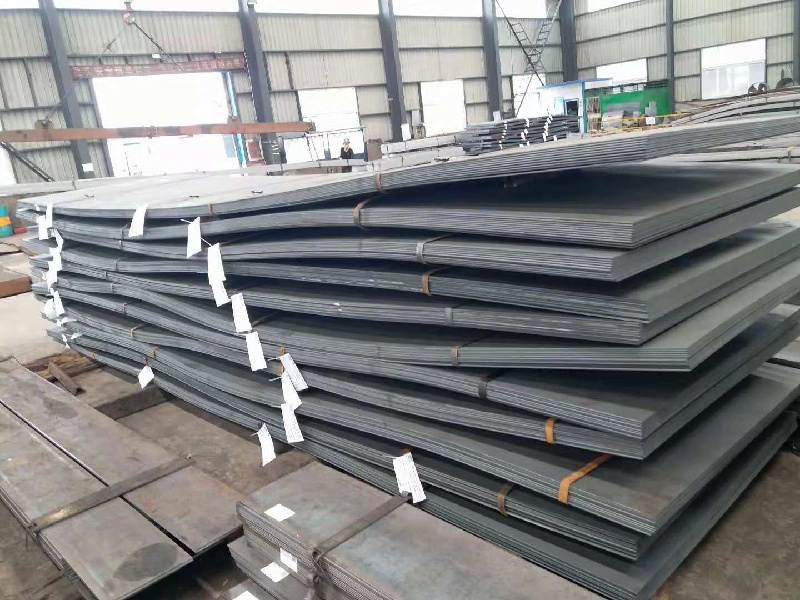
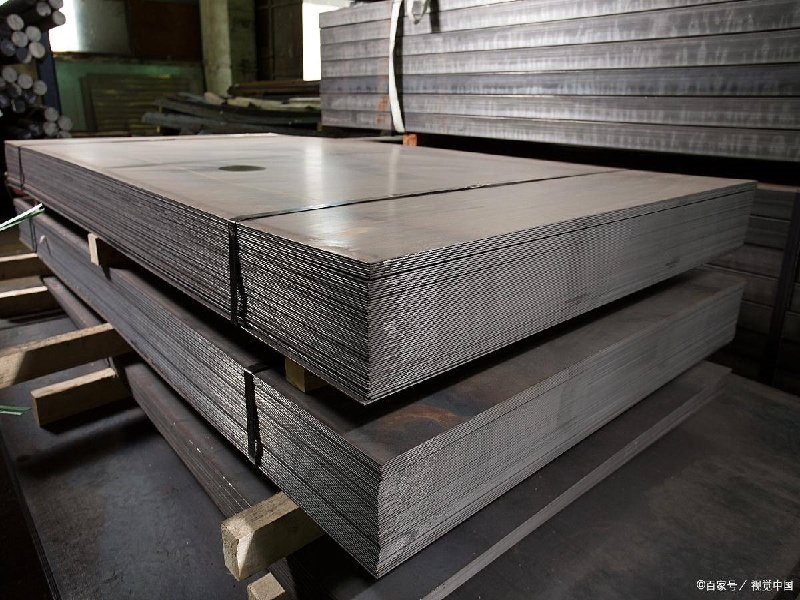
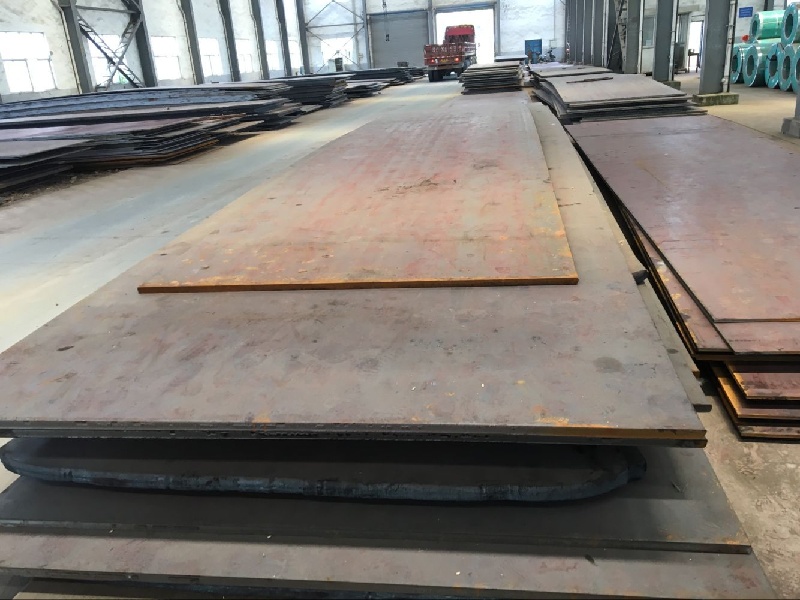
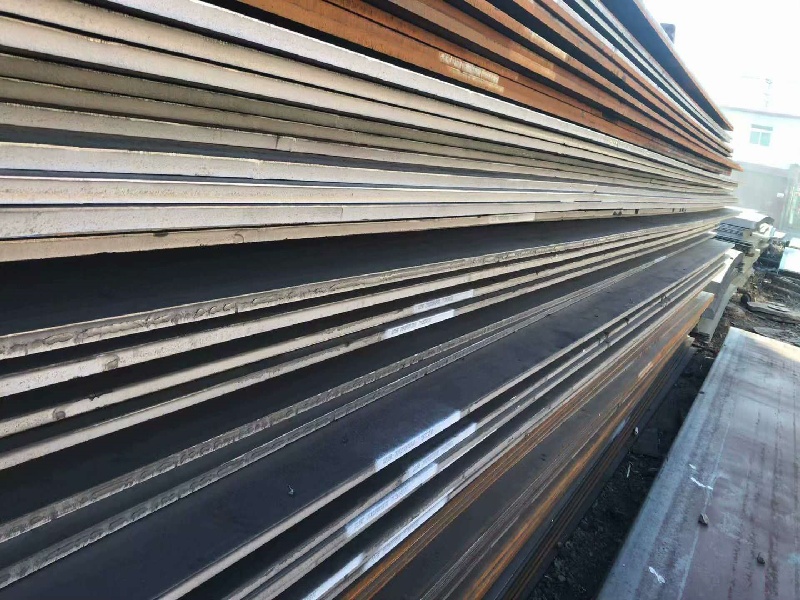
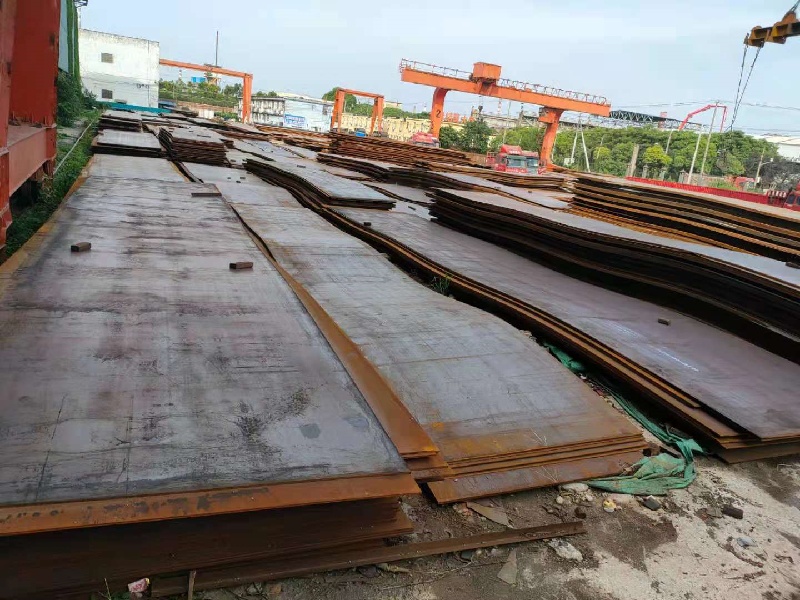
| Form | Flat steel plates designed to resist abrasion and wear |
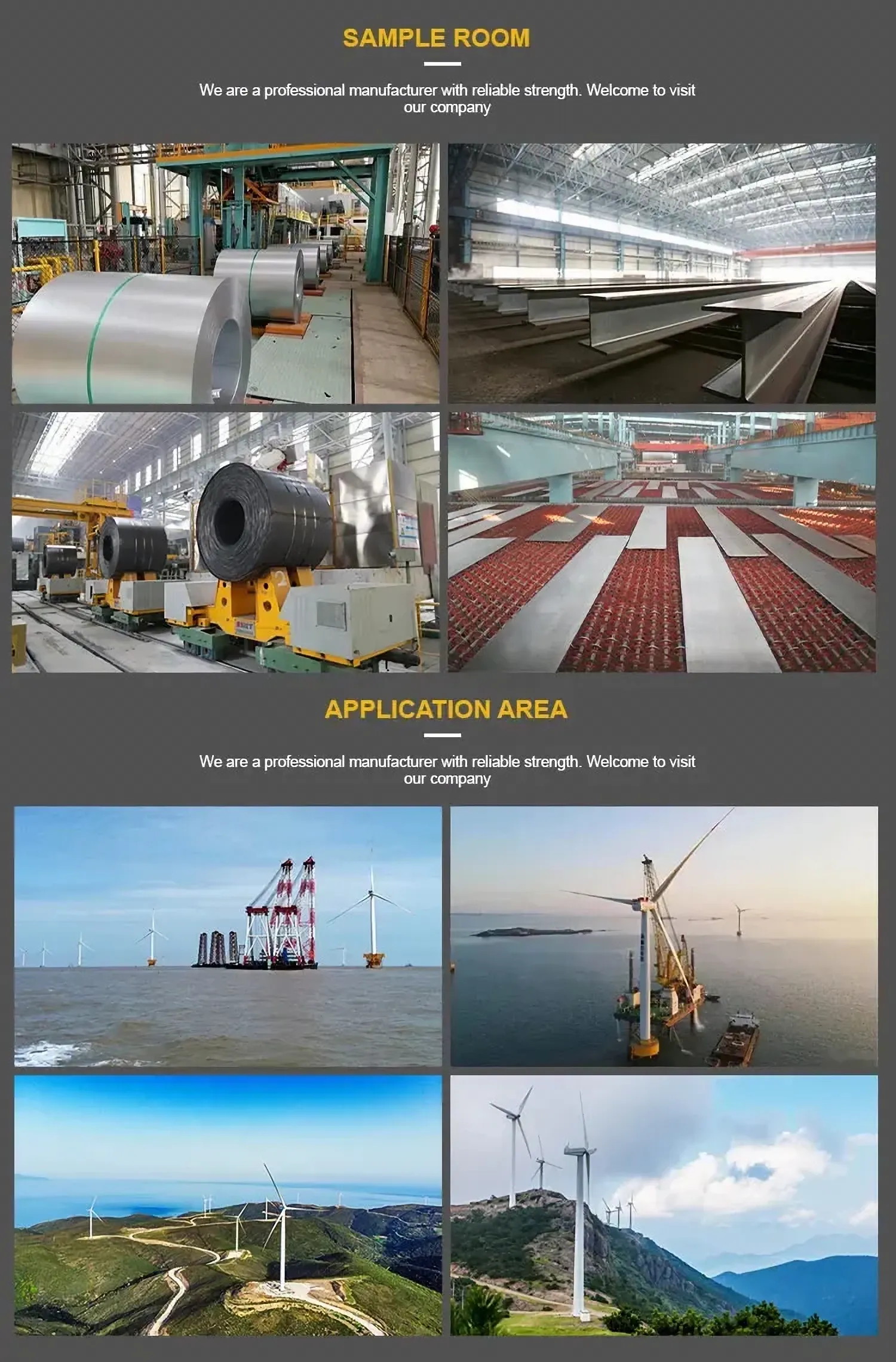
| Applications | Used in applications where resistance to abrasion, wear, and impact is critical, such as mining equipment, conveyors, and construction machinery |
| Hardness | Exhibits high hardness to withstand abrasive wear |
| Tensile Strength | High tensile strength for withstanding mechanical stresses |
| Thickness Range | Available in various thicknesses depending on application |
| Surface Finish | Typically comes with a clean, milled surface |
| Weldability | Can be welded, although precautions may be needed depending on the specific alloy |
| Cutting Methods | Can be cut using standard methods such as plasma or laser cutting |
| Standards | Complies with industry standards for abrasion-resistant steel, such as AR400 or AR500 |
| Heat Treatment | May undergo heat treatment for enhanced hardness and toughness |
| Packaging | Usually supplied in flat sheets, properly packaged for protection during transport |
| Quality Control | Rigorous quality control measures to ensure consistent performance |
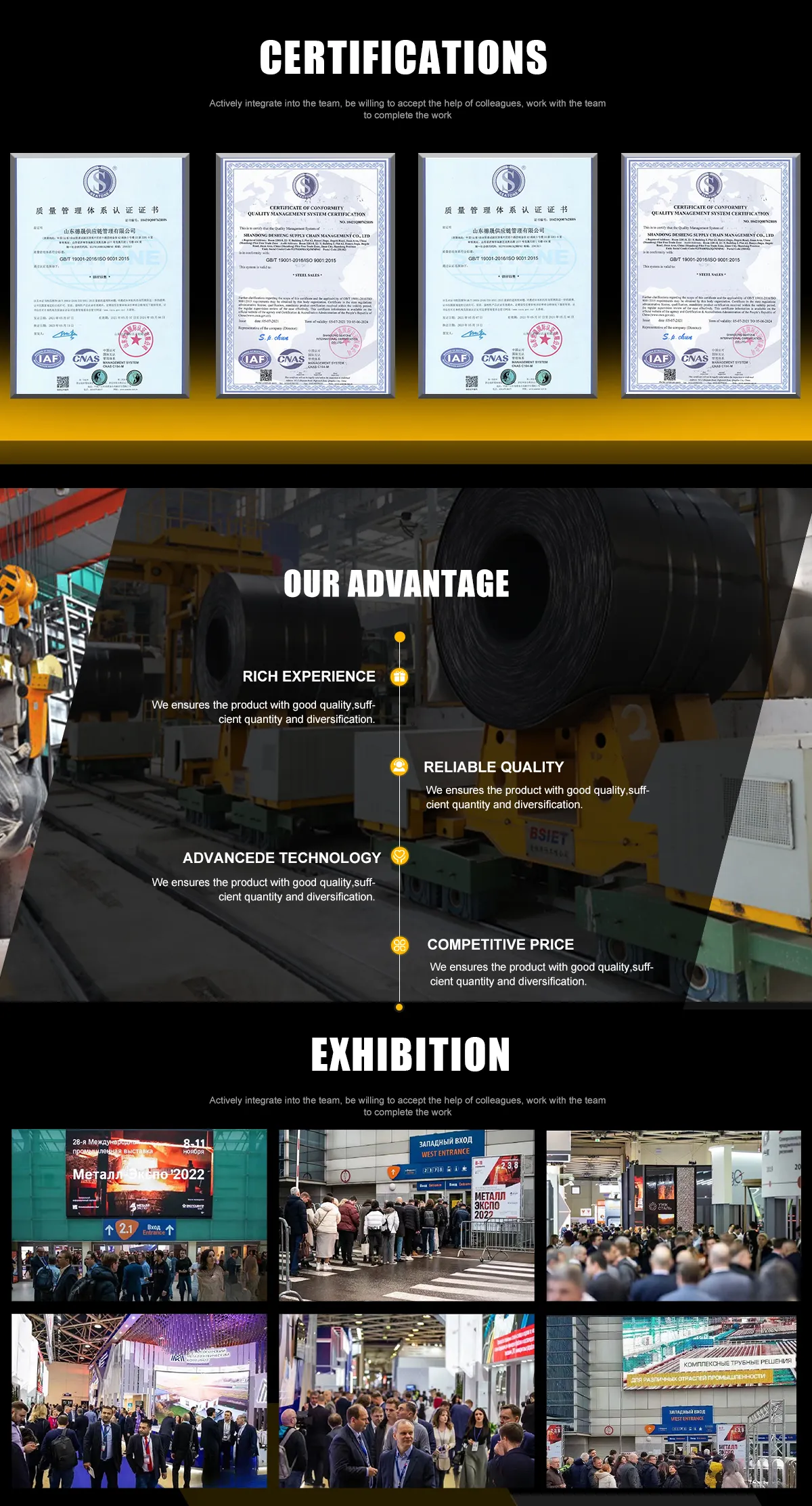
| Certifications | May have certifications confirming compliance with quality and industry standards |